Chronic Obstructive Pulmonary Disease (COPD) is a progressive lung disease that affects millions of people worldwide. Recognizing early COPD symptoms is crucial for timely diagnosis and intervention, which can significantly improve the quality of life for those affected. In this article, we will explore the warning signs of COPD, the importance of early detection, and how healthcare professionals diagnose this condition.
Understanding COPD
Before delving into early COPD symptoms, it’s essential to understand what COPD is. COPD is a chronic inflammatory lung disease that obstructs airflow from the lungs, making it difficult to breathe. The primary causes of COPD include long-term exposure to irritants such as cigarette smoke, air pollution, and occupational dust and chemicals.
Real-Life Example: The Impact of COPD
Take, for instance, the story of Linda, a 62-year-old former smoker. After years of enjoying an active lifestyle, she began to notice slight changes in her breathing. Initially dismissing them as signs of aging, Linda soon found herself struggling to climb stairs and experiencing frequent coughing fits. It wasn’t until a routine check-up that her doctor diagnosed her with early-stage COPD. Linda’s story is a classic example of how easily early symptoms can be overlooked.
The Importance of Early Detection
Early detection of COPD is vital for several reasons. First and foremost, it allows for prompt treatment, which can slow the progression of the disease and improve overall lung function. Secondly, recognizing early symptoms can help individuals make lifestyle changes that positively impact their health. Finally, proactive management can reduce the risk of severe complications associated with advanced COPD.
Expert Insight: The Role of Primary Care
Dr. Mark Thompson, a pulmonologist, emphasizes the importance of regular check-ups. “Many people ignore the early signs of COPD, thinking they are just part of getting older. However, early diagnosis can lead to better outcomes. Regular visits to your primary care doctor can help catch these symptoms before they become severe.”
Recognizing Early COPD Symptoms
Understanding the early COPD symptoms is crucial for taking action. Here are some of the most common warning signs to watch for:
1. Shortness of Breath
One of the hallmark early COPD symptoms is shortness of breath, especially during physical activities. Many individuals might initially attribute this symptom to aging or lack of fitness. However, if you find yourself easily winded while performing tasks that were previously manageable, it could be an indication of underlying lung issues.
2. Chronic Cough
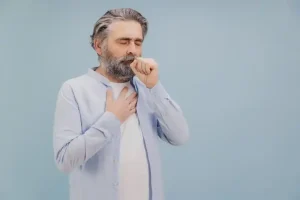
A persistent cough that lasts for weeks or months is another common early symptom of COPD. This cough may produce mucus and can be mistaken for a simple cold or allergies. If the cough continues to worsen and does not improve with over-the-counter medications, it’s essential to seek medical advice.
3. Wheezing
Wheezing, or a whistling sound when breathing, often occurs due to narrowed airways. This symptom can be particularly noticeable during physical exertion or at night. If you start to experience wheezing regularly, it may be time to consult a healthcare professional.
4. Increased Mucus Production
Individuals with early COPD may notice an increase in mucus production, leading to frequent throat clearing. This symptom is often accompanied by a change in the color or consistency of the mucus, which can indicate inflammation in the airways.
5. Fatigue
Feeling unusually fatigued or tired can also be an early symptom of COPD. As the lungs struggle to provide sufficient oxygen to the body, individuals may find it challenging to maintain their usual energy levels. If you’re experiencing unexplained fatigue along with other symptoms, it’s worth discussing with your doctor.
6. Frequent Respiratory Infections
People with early COPD are more susceptible to respiratory infections, such as colds and flu. If you find yourself battling infections more frequently than usual, it could signal an underlying issue with lung function.
The Diagnostic Process
If you suspect you have early COPD symptoms, it’s crucial to seek medical evaluation. Healthcare professionals use several methods to diagnose COPD accurately.
1. Medical History
The diagnostic process begins with a thorough medical history. Your doctor will inquire about your symptoms, smoking history, exposure to environmental pollutants, and family history of lung diseases. This information helps the clinician understand your risk factors and potential causes of your symptoms.
2. Physical Examination
A physical examination is conducted to assess your overall health. Your doctor may listen to your lungs with a stethoscope to detect any abnormal sounds, such as wheezing or decreased airflow.
3. Spirometry
One of the most vital tests for diagnosing COPD is spirometry. This pulmonary function test measures how much air you can breathe in and out and how quickly you can exhale. The results help determine the extent of airflow obstruction and whether you have COPD.
4. Imaging Tests
Your doctor may recommend imaging tests, such as chest X-rays or CT scans, to visualize the lungs and identify any structural changes or damage. These tests can provide additional information about the severity of your condition.
5. Arterial Blood Gas Test
In some cases, an arterial blood gas test may be performed to measure the levels of oxygen and carbon dioxide in your blood. This test helps assess how well your lungs are functioning and whether you may require supplemental oxygen.
Treatment Options for Early COPD
While there is currently no cure for COPD, various treatment options can help manage early symptoms and slow disease progression. Early intervention is key to improving quality of life.
1. Lifestyle Changes
Making positive lifestyle changes is crucial for managing COPD. Quitting smoking is the most significant step a person can take to slow the progression of the disease. Additionally, adopting a healthy diet, engaging in regular physical activity, and avoiding environmental pollutants can greatly benefit lung health.
2. Medications
Doctors may prescribe bronchodilators to help relax the muscles around the airways, making it easier to breathe. In some cases, corticosteroids may be recommended to reduce inflammation in the airways.
3. Pulmonary Rehabilitation
Pulmonary rehabilitation programs combine education, exercise, and support to help individuals with COPD manage their symptoms and improve their quality of life. These programs often involve working with a team of healthcare professionals, including respiratory therapists and dietitians.
4. Oxygen Therapy
For individuals with low oxygen levels, supplemental oxygen may be necessary. Oxygen therapy can help improve oxygenation and alleviate symptoms of breathlessness, especially during physical activity.
Living with Early COPD Symptoms
Living with early COPD symptoms can be challenging, but with the right management strategies, individuals can lead fulfilling lives. Here are some tips for coping with the condition:
1. Stay Informed
Knowledge is power. Educate yourself about COPD, its symptoms, and treatment options. Understanding your condition can help you make informed decisions about your health.
2. Build a Support Network
Connecting with others who have COPD can provide emotional support and valuable insights. Consider joining a local support group or participating in online forums to share experiences and tips.
3. Practice Breathing Techniques
Breathing techniques, such as pursed-lip breathing and diaphragmatic breathing, can help improve lung function and alleviate feelings of breathlessness. Practicing these techniques regularly can enhance your overall well-being.
4. Regular Check-Ups
Stay proactive about your health by scheduling regular check-ups with your healthcare provider. Monitoring your condition and making adjustments to your treatment plan as needed can help prevent complications.
Conclusion
Recognizing early COPD symptoms is crucial for timely diagnosis and effective management of this chronic lung disease. By understanding the warning signs and seeking medical evaluation, individuals can take proactive steps to improve their respiratory health.
Living with COPD requires commitment and lifestyle changes, but with the right support and treatment, it is possible to lead a fulfilling life. Stay informed, advocate for your health, and remember that early detection can make all the difference.
Frequently Asked Questions (FAQs)
What are the early symptoms of COPD?
Early COPD symptoms include shortness of breath, chronic cough, wheezing, increased mucus production, fatigue, and frequent respiratory infections.
How is COPD diagnosed?
COPD is diagnosed through a combination of medical history, physical examination, spirometry, imaging tests, and arterial blood gas testing.
Can early COPD symptoms be treated?
Yes, early COPD symptoms can be managed through lifestyle changes, medications, pulmonary rehabilitation, and oxygen therapy to improve quality of life.