
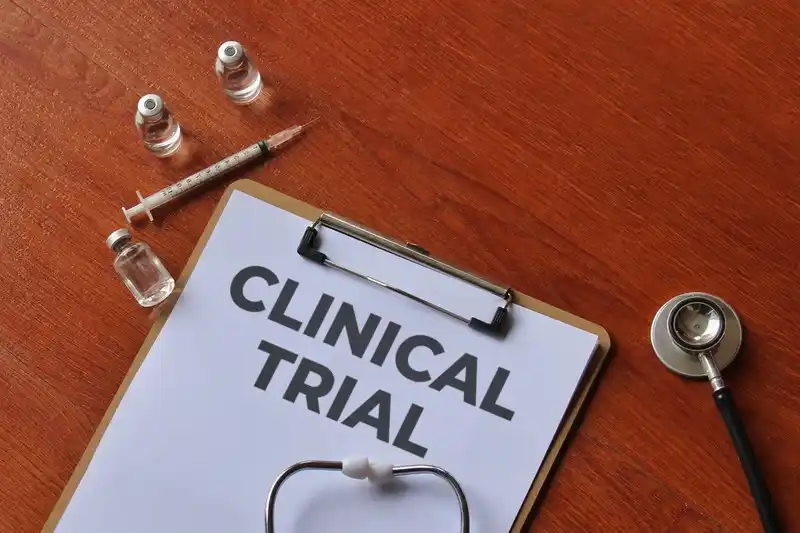
Clinical trials are a crucial part of medical research, allowing researchers to test new treatments and therapies on human participants. Understanding the various clinical trial phases is essential for anyone interested in how new medications and therapies make their way from the laboratory into practice. Each phase has distinct objectives, methodologies, and purposes that contribute to the overall success of clinical research. In this article, we will explore the different clinical trial phases, their purposes, and the significance of each stage in the drug development process.
The Importance of Clinical Trials
Before delving into the clinical trial phases, it’s vital to grasp the importance of clinical trials in the medical field. Clinical trials serve as the foundation for evidence-based medicine. They provide the necessary data to determine whether a new treatment is safe and effective before it is approved for public use. Clinical trials also help identify potential side effects and contraindications, ensuring that healthcare professionals can make informed decisions when prescribing new therapies.
Real-Life Example: The Development of a New Cancer Drug
Consider the story of a groundbreaking cancer drug that emerged from clinical trials. Researchers identified a promising compound in the laboratory and began testing it through a series of clinical trial phases. Each phase provided critical data that eventually led to the drug’s approval by regulatory agencies, transforming it into a life-saving treatment for patients. This example illustrates how clinical trials play a pivotal role in advancing medical science and improving patient outcomes.
Overview of Clinical Trial Phases
Clinical trials are generally divided into four primary phases: Phase I, Phase II, Phase III, and Phase IV. Each phase serves a specific purpose and builds on the findings of the previous one.
Phase I: Safety and Dosage
The first phase of clinical trials, Phase I, primarily focuses on assessing the safety and tolerability of a new drug or treatment. This phase typically involves a small group of healthy volunteers (20 to 100 participants) and aims to determine the maximum tolerated dose and identify any potential side effects.
Objectives of Phase I
-
Safety Assessment: Researchers monitor participants for any adverse effects of the drug.
-
Dosage Determination: The optimal dosage that balances efficacy and safety is established.
-
Pharmacokinetics: Understanding how the drug is absorbed, distributed, metabolized, and excreted from the body.
Expert Insight: The Role of Healthy Volunteers
Dr. Sarah Thompson, an expert in clinical research, emphasizes the importance of healthy volunteers during Phase I. “These participants play a crucial role in helping researchers understand the drug’s safety profile before it is tested on patients with the condition the drug aims to treat.”
Phase II: Efficacy and Side Effects
After establishing safety in Phase I, the clinical trial moves to Phase II, where the focus shifts to evaluating the drug’s effectiveness. This phase typically involves a larger group of participants (100 to 300) who have the condition the drug is designed to treat.
Objectives of Phase II
-
Efficacy Evaluation: Researchers assess whether the drug produces the desired therapeutic effect.
-
Optimization of Dose: Further refinement of the dosage may occur based on observed responses.
-
Side Effect Monitoring: Continued tracking of adverse effects to build a comprehensive safety profile.
Real-Life Example: A New Diabetes Medication
In a recent Phase II trial for a new diabetes medication, researchers found that participants experienced significant improvements in blood sugar control compared to a placebo. This data prompted further investigation into the drug’s long-term effects and potential benefits, paving the way for the next phase of testing.
Phase III: Confirmatory Trials
Phase III clinical trials are often viewed as the most critical stage in the drug development process. This phase involves a large number of participants (typically 300 to 3,000) and aims to confirm the drug’s effectiveness, monitor side effects, and compare it to standard treatments or placebos.
Objectives of Phase III
-
Comparative Effectiveness: The new treatment is compared to existing therapies to assess relative benefits and risks.
-
Diverse Populations: Researchers often include participants from various demographic backgrounds to ensure the results are generalizable.
-
Regulatory Approval: Successful completion of Phase III trials is a prerequisite for submitting a new drug application to regulatory agencies.
Expert Insight: The Importance of Diverse Populations
Dr. James Reid, a clinical trial coordinator, highlights the importance of including diverse populations in Phase III trials. “Diversity in clinical trials is essential to ensure that the results are applicable to different demographics, including various ages, races, and health conditions.”
Phase IV: Post-Marketing Surveillance
Once a drug receives regulatory approval, it enters Phase IV, also known as post-marketing surveillance. This phase involves monitoring the drug’s performance in the general population and identifying any long-term side effects that may not have been evident during earlier phases.
Objectives of Phase IV
-
Long-Term Safety Monitoring: Researchers continue to track adverse effects and efficacy in a larger population over time.
-
Real-World Effectiveness: Phase IV studies assess how the drug performs in everyday clinical settings, outside the controlled environment of clinical trials.
-
Labeling Changes: New information may lead to updates in drug labeling, including dosage adjustments or warnings.
Real-Life Example: A Drug’s Journey Post-Approval
After a medication for chronic pain received approval, Phase IV studies revealed previously unreported side effects in a small percentage of patients. This information prompted healthcare providers to adjust their prescribing practices and ensure patients were aware of potential risks.
The Importance of Clinical Trial Phases in Drug Development
Understanding clinical trial phases is crucial for several reasons:
1. Ensuring Patient Safety
The structured approach of clinical trial phases ensures that patient safety is prioritized throughout the drug development process. Each phase involves rigorous monitoring and assessment to identify potential risks before a drug reaches the market.
2. Supporting Evidence-Based Medicine
Clinical trials provide the scientific evidence necessary for healthcare professionals to make informed decisions. The data collected during each phase contributes to a better understanding of the drug’s safety and efficacy, supporting evidence-based practices in medicine.
3. Advancing Medical Knowledge
Clinical trials play an essential role in advancing medical knowledge and improving therapeutic options for patients. By exploring new treatments and therapies, researchers contribute to the overall progress of medical science and patient care.
Conclusion
The journey of a new drug from the laboratory to the market is a complex process that involves multiple clinical trial phases, each with its distinct purpose. From assessing safety in Phase I to confirming efficacy in Phase III and monitoring long-term effects in Phase IV, each phase contributes to the overall success of drug development.
Understanding clinical trial phases is essential for anyone interested in the medical field, whether you are a healthcare professional, a patient, or a concerned member of the community. As clinical research continues to evolve, the importance of rigorous testing and evidence-based practices remains paramount in improving patient outcomes and advancing medical science.
Frequently Asked Questions (FAQs)
What are the different clinical trial phases?
Clinical trial phases include Phase I (safety and dosage), Phase II (efficacy and side effects), Phase III (confirmatory trials), and Phase IV (post-marketing surveillance).
Why are clinical trial phases important?
Clinical trial phases ensure patient safety, support evidence-based medicine, and advance medical knowledge by systematically evaluating new treatments.
How long does each clinical trial phase take?
The duration of each phase varies. Phase I may take several months, Phase II can last from one to two years, Phase III typically takes two to four years, and Phase IV is ongoing after approval.