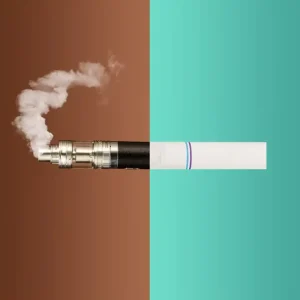

The conversation surrounding vaping and smoking has become one of the most discussed topics in public health and smoking cessation. As traditional cigarette smoking rates have declined in many regions, vaping products have emerged as an alternative that some people view as a less harmful option. At the same time, questions remain about the long-term effects of vaping and whether it truly represents a safer path for those trying to quit smoking.
Many individuals find themselves comparing vaping and smoking when considering their health, lifestyle, and efforts to reduce nicotine dependence. Some smokers switch to vaping with the goal of quitting cigarettes, while others begin vaping without fully understanding how it differs from smoking. Because both activities involve inhaling substances into the lungs and often include nicotine, confusion about their risks and benefits is common.
Understanding vaping vs smoking requires looking beyond simple comparisons. The differences involve how the products work, the chemicals they contain, their effects on the body, addiction potential, financial costs, social perceptions, and their role in smoking cessation. Examining these factors carefully can help individuals make informed decisions about their health and future.
Why the Comparison Matters Today
The rise of vaping has changed the tobacco and nicotine landscape significantly. Traditional cigarettes have been studied for decades, and their health risks are well documented. Vaping products, however, are relatively new by comparison.
As a result, many people are trying to understand where vaping fits within the broader conversation about smoking and nicotine use. Public health experts, healthcare providers, policymakers, and consumers continue to evaluate the evidence surrounding both products.
The comparison matters because millions of people face decisions about nicotine use. Some are trying to quit smoking, others are considering switching to vaping, and some are attempting to avoid nicotine altogether. Understanding the distinctions between these products supports better decision-making and greater awareness of potential consequences.
Understanding Traditional Smoking
Smoking involves burning tobacco and inhaling the resulting smoke. Cigarettes contain processed tobacco along with various additives that influence flavor, combustion, and nicotine delivery.
When a cigarette burns, it produces thousands of chemicals. Many of these substances are toxic, and numerous compounds have been linked to serious health conditions. The combustion process creates tar, carbon monoxide, and other harmful byproducts that enter the lungs and bloodstream.
Nicotine, the addictive substance found in tobacco, reaches the brain rapidly after inhalation. This quick delivery contributes to the strong dependence associated with cigarette smoking.
Over time, repeated exposure to cigarette smoke affects multiple organ systems and increases the risk of significant health complications.
Understanding How Vaping Works
Vaping devices function differently from traditional cigarettes. Instead of burning tobacco, vaping products heat a liquid solution commonly referred to as e-liquid or vape juice.
This liquid often contains nicotine, flavorings, and other ingredients. The device heats the liquid into an aerosol that users inhale.
Because vaping does not involve combustion, it produces fewer toxic byproducts than cigarette smoke. However, the aerosol is not simply harmless water vapor as some people mistakenly believe. It may contain substances that can affect respiratory and cardiovascular health.
The absence of combustion represents one of the most significant differences between vaping and smoking, but it does not eliminate all health concerns.
Comparing the Chemical Exposure
What Smokers Inhale
Cigarette smoke contains thousands of chemicals generated through the burning process. Among these are numerous toxic substances and carcinogens that contribute to disease development.
Tar is one of the most recognizable components of cigarette smoke. It accumulates within the respiratory system and plays a major role in smoking-related lung damage.
Carbon monoxide is another harmful byproduct. It reduces the blood’s ability to transport oxygen efficiently throughout the body.
The combination of these chemicals creates substantial health risks that increase with prolonged smoking.
What Vapers Inhale
Vaping aerosol generally contains fewer harmful chemicals than cigarette smoke. However, it may still include nicotine, flavoring compounds, ultrafine particles, and various chemical byproducts produced during heating.
The exact composition varies depending on the device, liquid formulation, and usage patterns.
Although vaping typically exposes users to fewer toxic substances than smoking, research continues to investigate the long-term effects of repeated inhalation of these aerosols.
The reduced number of harmful chemicals does not necessarily mean vaping is risk-free.
Health Effects on the Respiratory System
The respiratory system often experiences some of the most noticeable effects of smoking and vaping.
Smoking damages lung tissue through repeated exposure to toxic smoke. Over time, this damage can impair breathing, reduce lung function, and contribute to serious respiratory diseases.
Many smokers experience chronic coughing, shortness of breath, and reduced physical endurance. Long-term smoking significantly increases the likelihood of severe lung conditions.
Vaping can also affect respiratory health, though the mechanisms differ. Some users report throat irritation, coughing, and respiratory discomfort. Research suggests that vaping aerosols may trigger inflammation within the airways.
While vaping generally exposes the lungs to fewer harmful substances than smoking, concerns remain regarding its long-term impact on respiratory function.
Cardiovascular Health Considerations
Nicotine influences the cardiovascular system regardless of whether it is delivered through cigarettes or vaping devices.
The Impact of Smoking on the Heart
Smoking increases heart rate, raises blood pressure, and damages blood vessels. The chemicals produced through combustion contribute to inflammation and vascular injury.
Over time, these effects elevate the risk of cardiovascular disease and other serious health complications.
The combination of nicotine exposure and toxic smoke creates significant stress on the cardiovascular system.
Vaping and Cardiovascular Concerns
Vaping also introduces nicotine into the body, which can affect heart rate and blood pressure.
Although vaping eliminates many combustion-related toxins, ongoing research continues to examine its cardiovascular effects. Some evidence suggests that vaping may still influence vascular health and contribute to cardiovascular stress.
The long-term implications remain an active area of scientific investigation.
Addiction Potential and Nicotine Dependence
One of the strongest similarities between vaping and smoking involves nicotine addiction.
Nicotine alters brain chemistry by stimulating reward pathways associated with pleasure and reinforcement. This process encourages repeated use and makes quitting difficult.
Many vaping products contain nicotine concentrations that can support or even intensify dependence. Some users consume nicotine more frequently through vaping because devices are convenient and discreet.
While smoking and vaping differ in delivery methods, both can create strong psychological and physical dependence.
For individuals seeking freedom from nicotine addiction, understanding this reality is essential.
Financial Costs Over Time
Cost is another factor people frequently consider when comparing vaping and smoking.
Traditional cigarette smoking often involves continuous purchases of tobacco products. Over months and years, these expenses can become substantial.
Vaping devices require an initial investment, followed by ongoing purchases of e-liquids, replacement coils, cartridges, or pods.
In some cases, vaping may appear less expensive than smoking. However, costs vary depending on usage patterns and product choices.
Regardless of the method, nicotine dependence often carries a long-term financial burden that many users underestimate.
Social Perceptions and Lifestyle Differences
Public attitudes toward smoking and vaping have evolved considerably.
Smoking has become increasingly restricted in many public spaces due to well-established concerns about secondhand smoke and health risks. Social acceptance of smoking has generally declined over recent decades.
Vaping initially gained popularity partly because it was viewed as a modern alternative to smoking. Some users appreciated the variety of flavors, reduced odor, and perceived convenience.
However, public perceptions of vaping have also become more complex as health concerns and regulatory discussions have increased.
Today, both activities face scrutiny, although societal attitudes toward each may vary depending on location and cultural context.
Environmental Considerations
The environmental impact of smoking and vaping often receives less attention but remains important.
Cigarette butts represent one of the most common forms of litter worldwide. They contribute to pollution and can persist in the environment for extended periods.
Vaping products create different environmental challenges. Disposable devices, batteries, plastic cartridges, and electronic waste contribute to growing sustainability concerns.
Both products generate waste, although the nature of that waste differs significantly.
Consumers increasingly consider environmental factors when evaluating nicotine products.
The Role of Vaping in Smoking Cessation
Why Some Smokers Switch to Vaping
Many smokers turn to vaping as part of an effort to quit traditional cigarettes. The rationale often involves reducing exposure to harmful combustion products while maintaining nicotine intake.
Some individuals find that vaping helps address behavioral habits associated with smoking, such as hand-to-mouth actions and inhalation rituals.
For certain smokers, vaping serves as a transitional tool during the quitting process.
Limitations and Challenges
While some people successfully use vaping as part of smoking cessation, outcomes vary significantly.
Others become long-term vapers without eliminating nicotine dependence. Some individuals continue using both products simultaneously, a pattern known as dual use.
Because vaping is not inherently a cessation method, success often depends on having a structured plan for reducing nicotine consumption over time.
Professional guidance may improve outcomes for individuals seeking to quit nicotine entirely.
Misconceptions About Vaping and Smoking
Public discussions about vaping and smoking frequently include misconceptions.
One common misunderstanding is that vaping is completely harmless. Although vaping generally exposes users to fewer harmful chemicals than smoking, it still carries risks and uncertainties.
Another misconception is that vaping and smoking are equally dangerous. Current evidence suggests that traditional cigarette smoking poses greater health risks due to combustion-related toxins.
However, reduced harm does not mean no harm.
Accurate information is essential because oversimplified messages can lead to poor decisions and unrealistic expectations.
Expert Advice for Individuals Considering a Change
Health experts generally agree that individuals who do not smoke or vape should avoid starting either behavior. Nicotine addiction can develop quickly and create long-term challenges.
For current smokers, reducing exposure to combustible tobacco may offer health benefits. However, the ultimate goal should ideally be complete freedom from nicotine dependence.
Individuals considering vaping as a smoking cessation strategy should approach the process thoughtfully. Working with healthcare professionals, creating a structured quit plan, and gradually reducing nicotine intake can improve the likelihood of success.
Experts also emphasize the importance of avoiding dual use whenever possible. Continuing to smoke while vaping may limit potential benefits and prolong nicotine addiction.
The most effective smoking cessation strategies often combine behavioral support, evidence-based treatments, and ongoing commitment to long-term health goals.
Looking Toward a Healthier Future
The conversation about vaping vs smoking continues to evolve as new research emerges. Scientific understanding of vaping’s long-term effects is still developing, while the dangers of smoking are already well established.
For individuals seeking healthier lives, the focus should remain on reducing harm, improving well-being, and ultimately overcoming nicotine dependence.
Making informed choices requires understanding both the differences and similarities between these products. Awareness empowers individuals to evaluate options carefully and prioritize long-term health.
Whether someone is considering quitting smoking, reducing nicotine use, or simply seeking information, education remains one of the most valuable tools available.
Conclusion
The difference between vaping and smoking extends beyond appearance and technology. Smoking involves burning tobacco, producing thousands of harmful chemicals that significantly impact health. Vaping heats a liquid solution to create an aerosol, generally resulting in fewer toxic substances but still carrying health risks and concerns.
While vaping may expose users to fewer harmful chemicals than traditional smoking, neither option is entirely risk-free. Both can contribute to nicotine addiction, affect cardiovascular health, and influence respiratory function. Understanding these distinctions helps individuals make informed decisions and evaluate the role of vaping within smoking cessation efforts.
For those seeking the greatest health benefits, eliminating nicotine dependence altogether remains the most effective path. Through education, support, and evidence-based strategies, individuals can move toward healthier choices and greater long-term well-being.
FAQs
Is vaping safer than smoking?
Current evidence suggests that vaping generally exposes users to fewer harmful chemicals than smoking because it does not involve tobacco combustion. However, vaping is not risk-free and may still affect respiratory and cardiovascular health.
Can vaping help people quit smoking?
Some smokers use vaping as a transition away from traditional cigarettes. While it may help certain individuals reduce smoking, success varies, and many experts recommend combining cessation efforts with professional support and structured plans.
Does vaping contain nicotine like cigarettes?
Many vaping products contain nicotine, although nicotine-free options also exist. Nicotine is highly addictive and can affect the brain, heart, and blood vessels regardless of whether it is delivered through smoking or vaping.