
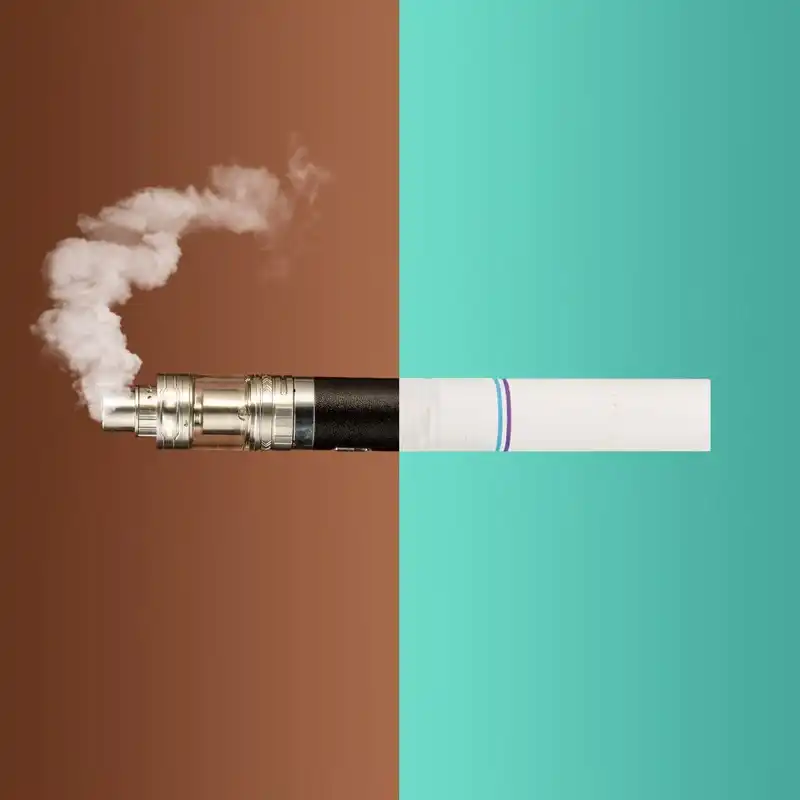
The discussion surrounding vaping vs smoking has become one of the most important public health conversations of the modern era. For decades, cigarette smoking was widely recognized as one of the leading causes of preventable illness and death worldwide. However, the introduction of electronic cigarettes and vaping devices created a new alternative that many people viewed as less harmful than traditional tobacco products. As vaping gained popularity, especially among younger adults, researchers, healthcare professionals, and policymakers began examining how these products compare to conventional cigarettes.
Understanding the differences between vaping and smoking is not always straightforward. Both involve nicotine in many cases, both can lead to addiction, and both have potential consequences for physical health. At the same time, they differ significantly in how nicotine is delivered, what substances are inhaled, and what risks are currently known. While smoking has been studied extensively for decades, vaping remains relatively new, meaning some long-term effects are still being investigated.
For individuals considering quitting smoking, switching to vaping, or avoiding nicotine altogether, understanding the facts is essential. A closer look at the health risks, addiction potential, and long-term impacts can help people make informed decisions that support their overall well-being.
Why the Debate Around Vaping and Smoking Matters
The vaping versus smoking discussion matters because millions of people use one or both products worldwide. Decisions made by consumers, healthcare providers, and governments can influence public health outcomes for decades to come.
The Growing Popularity of Vaping
Vaping has expanded rapidly over the past decade. Many users were initially attracted by sleek device designs, flavored products, and marketing that positioned vaping as a modern alternative to cigarettes. Some smokers also viewed vaping as a potential pathway away from tobacco use.
The convenience of rechargeable devices and customizable nicotine levels further contributed to vaping’s growth. For some individuals, vaping seemed less harsh than smoking and more socially acceptable in certain environments. As a result, millions of people adopted vaping products despite ongoing questions about their long-term safety.
Why Traditional Smoking Remains a Global Health Concern
Despite declining smoking rates in some countries, tobacco use remains a major public health challenge. Cigarette smoke contains thousands of chemicals, many of which are toxic or carcinogenic. Smoking contributes to numerous diseases affecting nearly every organ in the body.
Healthcare systems continue to spend enormous resources treating smoking-related illnesses. Beyond individual health consequences, smoking also affects families, workplaces, and communities through secondhand smoke exposure and economic costs.
Understanding How Smoking and Vaping Work
Although vaping and smoking often serve similar purposes for users seeking nicotine, the mechanisms behind them are very different.
What Happens When You Smoke a Cigarette?
Traditional cigarettes rely on combustion. When tobacco burns, it generates smoke that contains nicotine along with thousands of additional chemicals. Smokers inhale this smoke into their lungs, where nicotine enters the bloodstream and quickly reaches the brain.
The combustion process creates tar, carbon monoxide, and numerous harmful compounds. These substances contribute significantly to the long-term health damage associated with smoking.
How Vaping Devices Deliver Nicotine
Vaping devices heat a liquid solution rather than burning tobacco. This liquid often contains nicotine, flavorings, and other ingredients. Heating creates an aerosol that users inhale.
Because there is no combustion, vaping generally exposes users to fewer toxic substances than traditional cigarettes. However, fewer harmful chemicals does not necessarily mean harmless. Researchers continue studying how inhaling aerosolized compounds affects health over time.
Key Differences Between Vaping and Smoking
The differences between smoking and vaping extend beyond appearance and technology. These distinctions play a major role in understanding their respective risks.
Combustion Versus Aerosol Production
The most significant difference is combustion. Smoking involves burning tobacco, while vaping uses heat to create an inhalable aerosol. Combustion generates many of the dangerous substances linked to cancer, heart disease, and respiratory illness.
By eliminating combustion, vaping may reduce exposure to certain toxic chemicals. However, users are still inhaling substances that can affect respiratory and cardiovascular health.
Comparing Ingredients and Chemical Exposure
Cigarette smoke contains thousands of chemicals produced through burning tobacco. Many have been directly linked to serious diseases.
Vaping liquids generally contain fewer ingredients, but concerns remain regarding flavoring compounds, heavy metals from device components, and byproducts created during heating. Research continues to evaluate these risks.
Differences in User Experience and Consumption Habits
Many smokers consume cigarettes at predictable intervals throughout the day. Vaping devices, however, often allow continuous use. This convenience can make it easier for users to consume nicotine more frequently than they might with traditional cigarettes.
As a result, some individuals may unknowingly increase their nicotine intake while vaping.
The Immediate Effects on the Human Body
Both smoking and vaping can produce immediate physiological effects shortly after use.
Changes in Heart Rate and Blood Pressure
Nicotine stimulates the nervous system and can increase heart rate and blood pressure. These effects occur regardless of whether nicotine is delivered through cigarettes or vaping devices.
Frequent nicotine exposure places additional strain on the cardiovascular system over time.
Impact on the Respiratory System
Smoking immediately exposes the lungs to harmful smoke particles and irritants. Vaping may cause throat irritation, coughing, and respiratory discomfort in some users.
Although the mechanisms differ, both products can affect breathing and lung function.
Nicotine Dependence and Cravings
Nicotine reaches the brain rapidly, creating pleasurable sensations that encourage repeated use. Over time, the brain adapts, leading to dependence.
This dependence can develop through both smoking and vaping, making it difficult for users to quit.
Examining the Health Risks of Cigarette Smoking
The health consequences of smoking are among the most thoroughly documented in medical research.
Lung Disease and Breathing Problems
Smoking damages lung tissue and impairs normal respiratory function. Long-term smokers face increased risks of chronic bronchitis, emphysema, and chronic obstructive pulmonary disease.
These conditions can significantly reduce quality of life and limit physical activity.
Cardiovascular Complications
Smoking contributes to heart disease, stroke, and circulation problems. The chemicals found in cigarette smoke damage blood vessels and promote inflammation throughout the cardiovascular system.
These effects accumulate over years of exposure.
Cancer Risks Associated With Tobacco Use
Smoking is strongly associated with numerous cancers, including lung, throat, mouth, bladder, kidney, and pancreatic cancers.
The presence of carcinogenic substances in cigarette smoke explains much of this elevated risk.
Evaluating the Health Risks of Vaping
Vaping is newer than smoking, meaning long-term evidence remains limited. Nevertheless, current research has identified several areas of concern.
What Current Research Reveals
Studies suggest vaping generally exposes users to fewer toxic substances than smoking. However, researchers emphasize that reduced risk does not equal no risk.
Evidence continues to emerge regarding the effects of prolonged vaping on respiratory and cardiovascular health.
Lung Irritation and Respiratory Concerns
Some users experience coughing, wheezing, throat irritation, and breathing discomfort while vaping. Certain chemicals found in e-liquids may contribute to these symptoms.
Researchers continue studying how chronic exposure affects lung function.
Uncertainties About Long-Term Use
One of the biggest challenges in evaluating vaping is the lack of decades-long data. Smoking risks became clear after extensive long-term research.
Because vaping products have existed for a shorter period, some future health effects remain unknown.
Comparing Addiction Potential
Addiction is a central concern in both smoking and vaping discussions.
Why Nicotine Is Highly Addictive
Nicotine activates reward pathways in the brain, reinforcing repeated use. Over time, users may develop tolerance and experience withdrawal symptoms when attempting to quit.
These symptoms often include irritability, anxiety, cravings, and difficulty concentrating.
Can Vaping Lead to Strong Nicotine Dependence?
Yes. Many vaping products contain substantial amounts of nicotine. Some devices deliver nicotine very efficiently, increasing the risk of dependence.
Individuals who begin vaping without prior nicotine exposure may also develop addiction.
The Long-Term Impact on Overall Health
The long-term consequences of nicotine use extend beyond specific diseases.
Physical Health Consequences Over Time
Smoking can damage nearly every organ in the body. Vaping appears less harmful in some respects, but long-term health outcomes are still being studied.
Neither option can currently be considered risk-free.
Mental and Behavioral Effects
Nicotine dependence can affect mood, stress management, and daily routines. Users often become reliant on nicotine to cope with certain emotions or situations.
Breaking these behavioral patterns can be challenging during cessation efforts.
Quality of Life and Daily Functioning
Health issues associated with smoking and vaping may eventually affect energy levels, physical fitness, and overall well-being.
Maintaining long-term health often requires reducing or eliminating nicotine dependence altogether.
Vaping Versus Smoking for Smoking Cessation
Many people consider vaping as part of a strategy to quit smoking.
Why Some Smokers Switch to Vaping
Some smokers transition to vaping because they perceive it as less harmful. Others appreciate the ability to gradually adjust nicotine levels.
For certain individuals, vaping may help reduce cigarette consumption.
Benefits and Limitations of Harm Reduction
Harm reduction strategies recognize that moving away from combustible tobacco may lower exposure to harmful substances.
However, switching completely differs from using both products simultaneously. Dual use may limit potential benefits and prolong nicotine dependence.
Public Health Perspectives on Vaping and Smoking
Public health organizations continue evaluating how best to address both smoking and vaping.
Regulatory Approaches Around the World
Countries vary widely in their approach to nicotine regulation. Some encourage vaping as a smoking cessation tool, while others impose strict restrictions.
Regulations often focus on product safety, advertising, and youth access.
Protecting Youth From Nicotine Exposure
Preventing nicotine addiction among young people remains a major priority. Adolescents are particularly vulnerable to the effects of nicotine on brain development.
Public health efforts frequently target youth education and prevention initiatives.
Financial Costs Beyond Health Concerns
Health risks are not the only consideration.
The Long-Term Economic Burden of Smoking
Smoking can become extremely expensive over time. Daily cigarette purchases often add up to thousands of dollars annually.
Medical expenses related to smoking-related illnesses can create additional financial burdens.
Hidden Expenses Associated With Vaping
Although some users spend less on vaping than smoking, costs can still accumulate through devices, replacement parts, e-liquids, and accessories.
Long-term use may represent a significant ongoing expense.
Common Myths That Create Confusion
Misinformation often complicates discussions about nicotine products.
Is Vaping Completely Safe?
No. While vaping may expose users to fewer harmful substances than smoking, it is not considered completely safe.
Health risks remain, particularly regarding nicotine addiction and respiratory effects.
Are Cigarettes More Dangerous in Every Situation?
Current evidence generally indicates that smoking carries greater health risks than vaping. However, this does not mean vaping is harmless.
The healthiest choice remains avoiding both products whenever possible.
Expert Advice: Making Healthier Decisions About Nicotine Use
Health professionals generally agree that individuals who do not use nicotine should avoid starting either smoking or vaping. For current smokers, quitting completely offers the greatest health benefits. Those considering vaping as a smoking cessation tool should ideally do so under medical guidance and with a clear plan for eventually reducing nicotine dependence. Experts emphasize focusing on long-term health goals rather than simply replacing one habit with another. Support groups, counseling, nicotine replacement therapies, and behavioral strategies can all play important roles in successful cessation efforts. The ultimate objective should be freedom from nicotine addiction rather than permanent substitution.
What the Future May Hold for Nicotine Products
The future of nicotine products will likely involve continued research, stricter regulations, and evolving technologies. Scientists are working to better understand the long-term effects of vaping while policymakers seek ways to balance harm reduction with youth protection.
Advances in cessation tools may provide smokers with more effective pathways toward quitting. As evidence grows, public health recommendations will continue adapting to reflect the latest scientific understanding.
Conclusion
The vaping vs smoking debate is complex because both products involve important health considerations. Smoking remains one of the leading causes of preventable disease and death, largely due to the harmful effects of tobacco combustion. Vaping eliminates combustion and may reduce exposure to certain toxic substances, but it is not free from risks. Nicotine addiction, respiratory concerns, and unanswered questions about long-term effects remain significant issues.
For smokers unable to quit immediately, vaping may represent a less harmful alternative under certain circumstances. However, the greatest health benefits come from eliminating nicotine use altogether. Understanding the differences, risks, and long-term implications of both products empowers individuals to make informed decisions that support healthier lives.
FAQs
Is vaping safer than smoking?
Current evidence suggests vaping generally exposes users to fewer harmful chemicals than smoking because it does not involve tobacco combustion. However, vaping is not risk-free and still carries health concerns.
Can vaping help people quit smoking?
Some smokers use vaping as a harm reduction or cessation tool. Success varies by individual, and healthcare guidance can improve the chances of quitting nicotine completely.
Does vaping damage the lungs?
Research indicates vaping can irritate the respiratory system and may affect lung health. Scientists continue studying the long-term consequences of regular vaping.
Which is more addictive, vaping or smoking?
Both can be highly addictive because they often deliver nicotine. Addiction potential depends on nicotine concentration, usage patterns, and individual susceptibility.
What is the healthiest option for nicotine users?
The healthiest option is to quit nicotine entirely. Smoking cessation programs, counseling, and approved nicotine replacement therapies may help individuals achieve this goal.